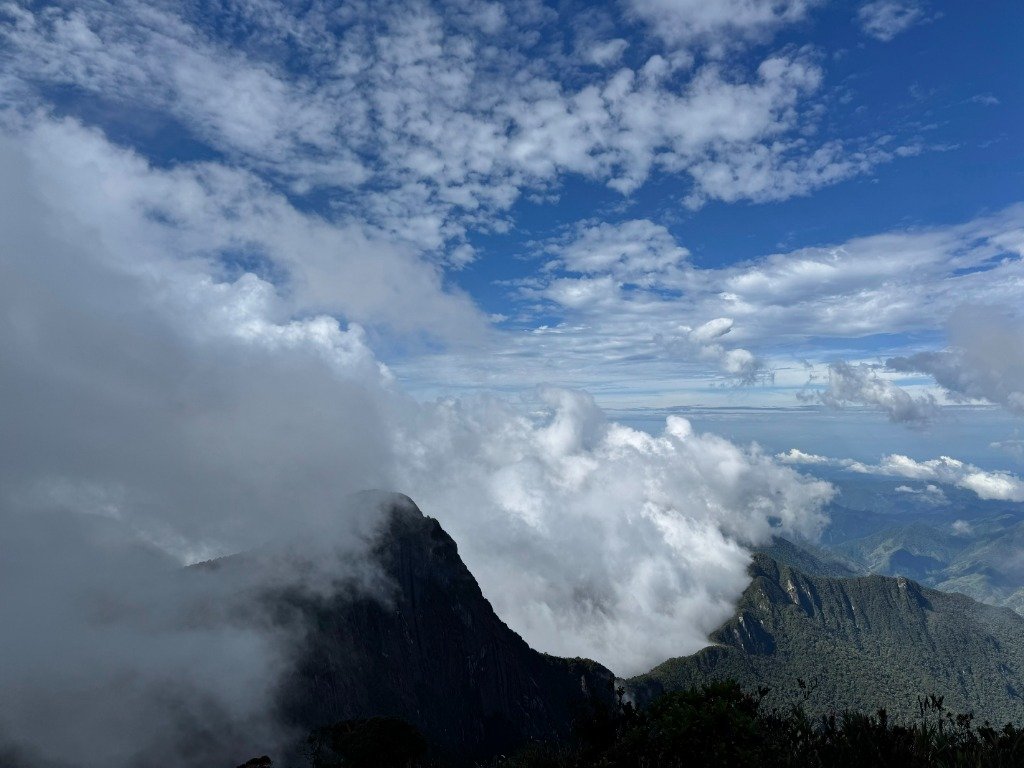
Sonsón · Antioquia · 2,475 m
Sonsón,
a living land
The cradle of the Antioquian colonization, the land of corn and the town that decided not to die. Páramo, muleteer trails, forges and museums a few blocks from Amarilla's balcony.
Sonsón · Antioquia · 2,475 m
a living land
The cradle of the Antioquian colonization, the land of corn and the town that decided not to die. Páramo, muleteer trails, forges and museums a few blocks from Amarilla's balcony.
The names of Sonsón
Each of Sonsón's nicknames holds a story. Tap a card to read it.
Founded in 1800, families left from here with axes, seeds and mules to clear land to the south.
Read the story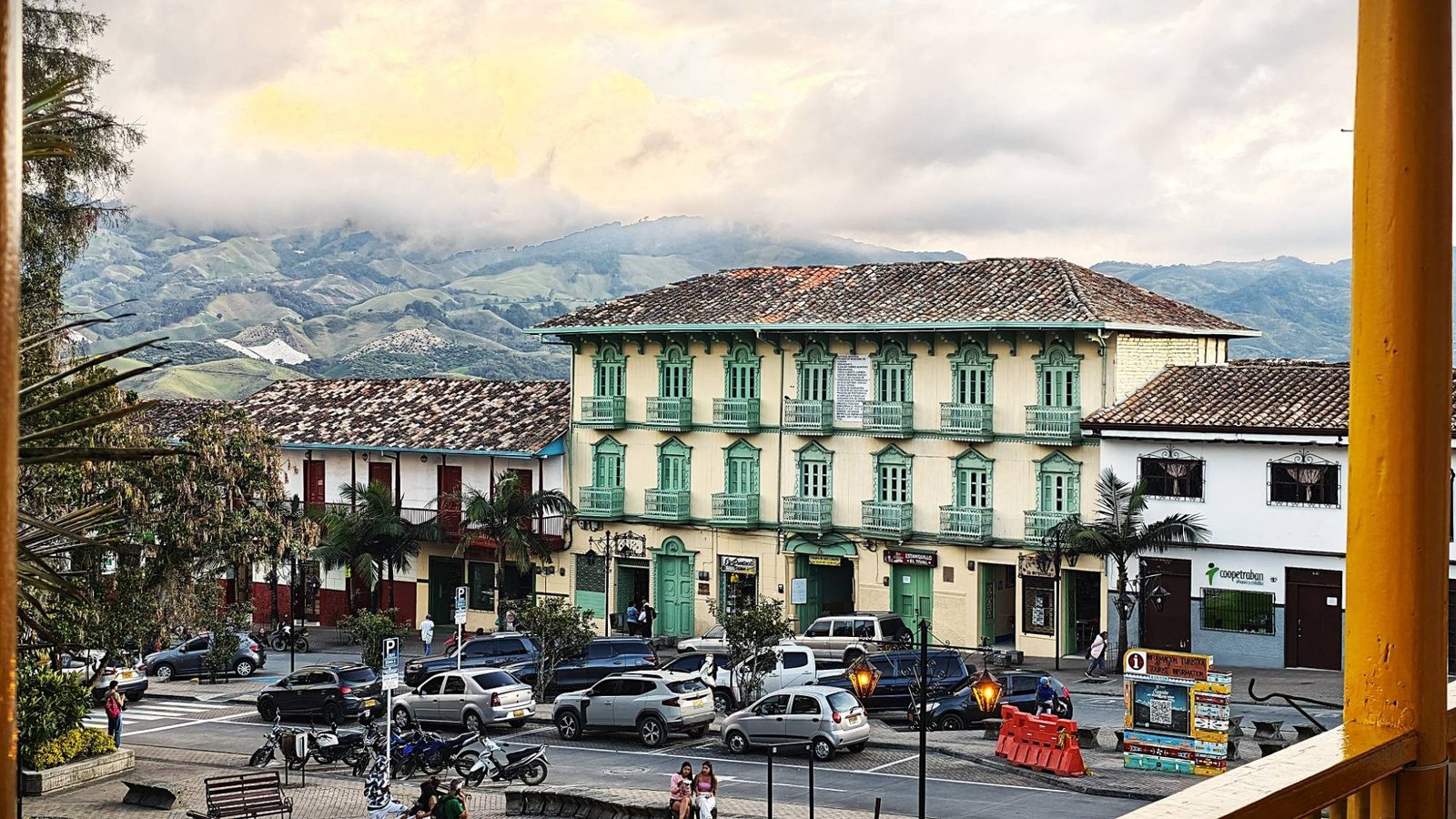
The earthquake of July 30, 1962 brought down its cathedral. Sonsón rose again.
Read the storyHome of Gregorio Gutiérrez González and his poem, and of the festival that has paraded since 1938.
Read the storyAbout ten museums and galleries for some 36,000 inhabitants. Memory just a few blocks away.
Read the story200 years
He was born on May 9, 1826 and spent much of his life in Sonsón. His Memoria sobre el cultivo del maíz en Antioquia tells in verse of clearing, sowing and harvesting, in the words of the countryside.
Since 1938, Sonsón's Corn Festival has paraded his verses through the streets.
Explore Sonsón
Tap the yellow dots on the map. Sonsón is the largest municipality in Antioquia and has every climate.
Illustrative map, not to scale. Swipe to see it all.
1627
The name Sonsón already appears in documents, long before the town.
1800
Official founding of San José de Ezpeleta de Sonsón, on August 4.
1826
Gregorio Gutiérrez González, the poet of corn, is born.
1860s
The Memoria sobre el cultivo del maíz en Antioquia is published.
1938
First Corn Festival, on August 11.
1962
The July 30 earthquake. Sonsón decides not to die.
2019
The páramo is declared a protected area.
2026
200 years since Gregorio's birth.
Stories of Sonsón
November 8, 2026 · 5 min
A few kilometers from the square, Sonsón climbs up to the páramo: a water factory covered in frailejones, protected since 2019, to be visited with respect and with a guide.
November 7, 2026 · 4 min
Before roads, Sonsón moved on muleback. Muleteers, mule trains and roadside inns built the network of trails that connected the mountains with the rest of the country.
November 4, 2026 · 3 min
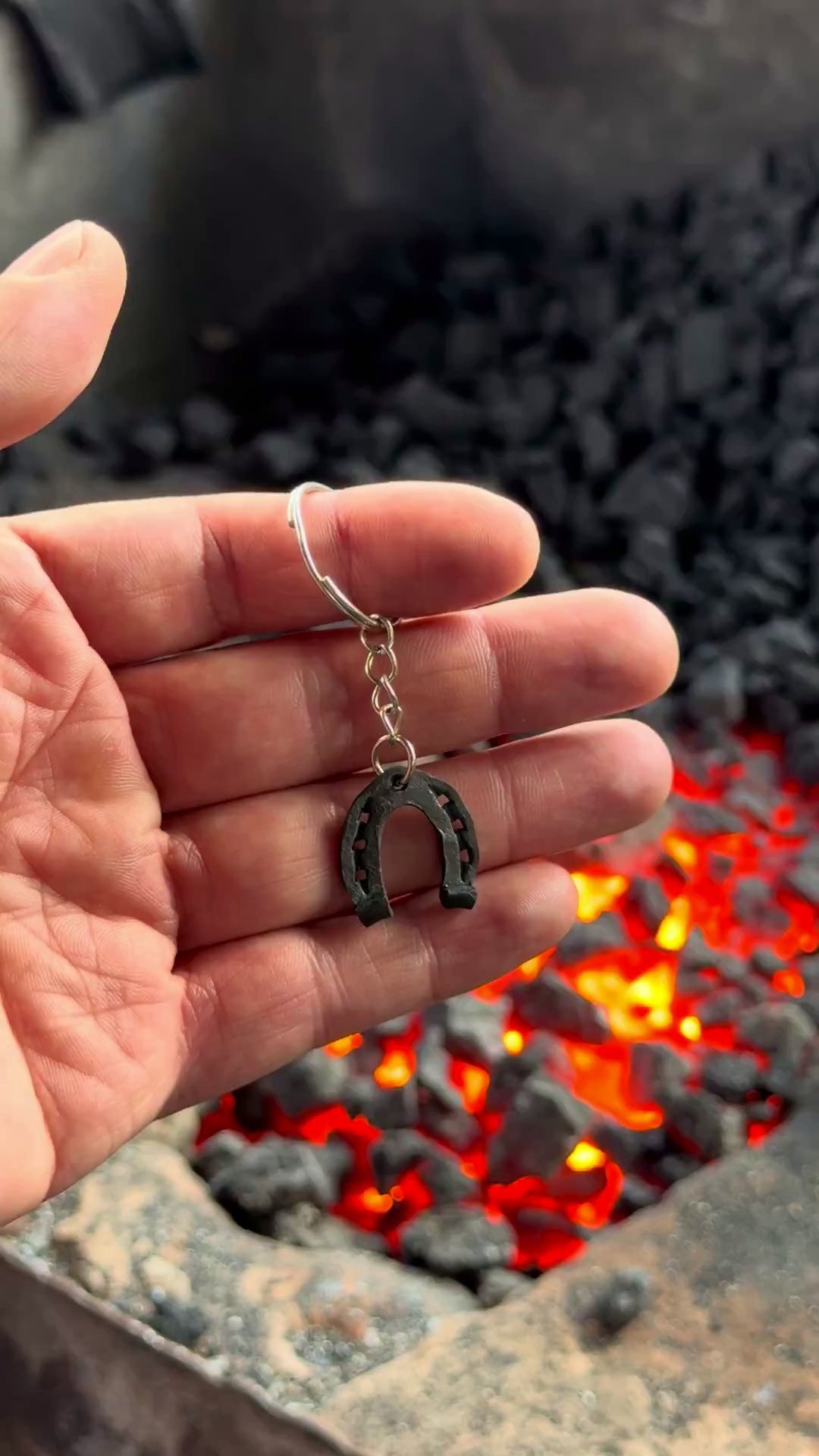
In a Sonsón forge, a third-generation family hand-forges a tiny horseshoe and seeks to have the world recognize it as the smallest.
November 2, 2026 · 4 min
A settlers' exclamation, the sound of a waterfall or the wild cane of the Indigenous people? Four versions of the name Sonsón and a clue: the name is older than the town.
November 3, 2026 · 3 min
Fire, anvil and hammer. The blacksmith's craft went hand in hand with mule trading and today is part of Sonsón's living heritage.
November 6, 2026 · 4 min
Sonsón is the largest municipality in Antioquia and stretches from the páramo to the Middle Magdalena. Here are the kinds of hikes that await you and how to do them well.
Frequently asked questions
Visit its ten or so museums and galleries, go guided páramo hiking on Cerro de la Vieja, walk stretches of old muleteer trails, see the forges, head down to the waterfalls of Sonsón's Middle Magdalena and experience the Corn Festival in August. If you stay at Amarilla, ask us and we'll help you organize it.
Because from Sonsón, officially founded on August 4, 1800, came many of the families who cleared land to the south and settled the mountains that are now part of Caldas and the Coffee Region.
Because of its rebuilding after the earthquake of July 30, 1962, which brought down the Municipal Theater and the Chapel of Jesús Nazareno and left the cathedral so damaged it had to be demolished. The town rose again.
Because of its Corn Festival, celebrated since 1938, and the poet Gregorio Gutiérrez González, author of the Memoria sobre el cultivo del maíz en Antioquia, who lived much of his life in Sonsón. 2026 marks 200 years since his birth.
It is traditionally held in August. The first one was on August 11, 1938. Dates change every year, so check the Sonsón town hall's schedule.
Yes, with a local guide. Cerro Las Palomas is closed until further notice; Cerro de la Vieja is open for hiking. The páramo has been a protected area since 2019 and has a carrying capacity, so it is best to check first with the municipal authorities and with Amarilla.
At Amarilla Casa Viva, facing the Main Square: the museums are a few blocks' walk away and the house helps you contact guides for the páramo and the trails.

Just love.
Sleep facing the Main Square, have breakfast looking at the páramo and go out to walk the town. We recommend guides, routes and museums, and mountain cooking awaits you when you return.