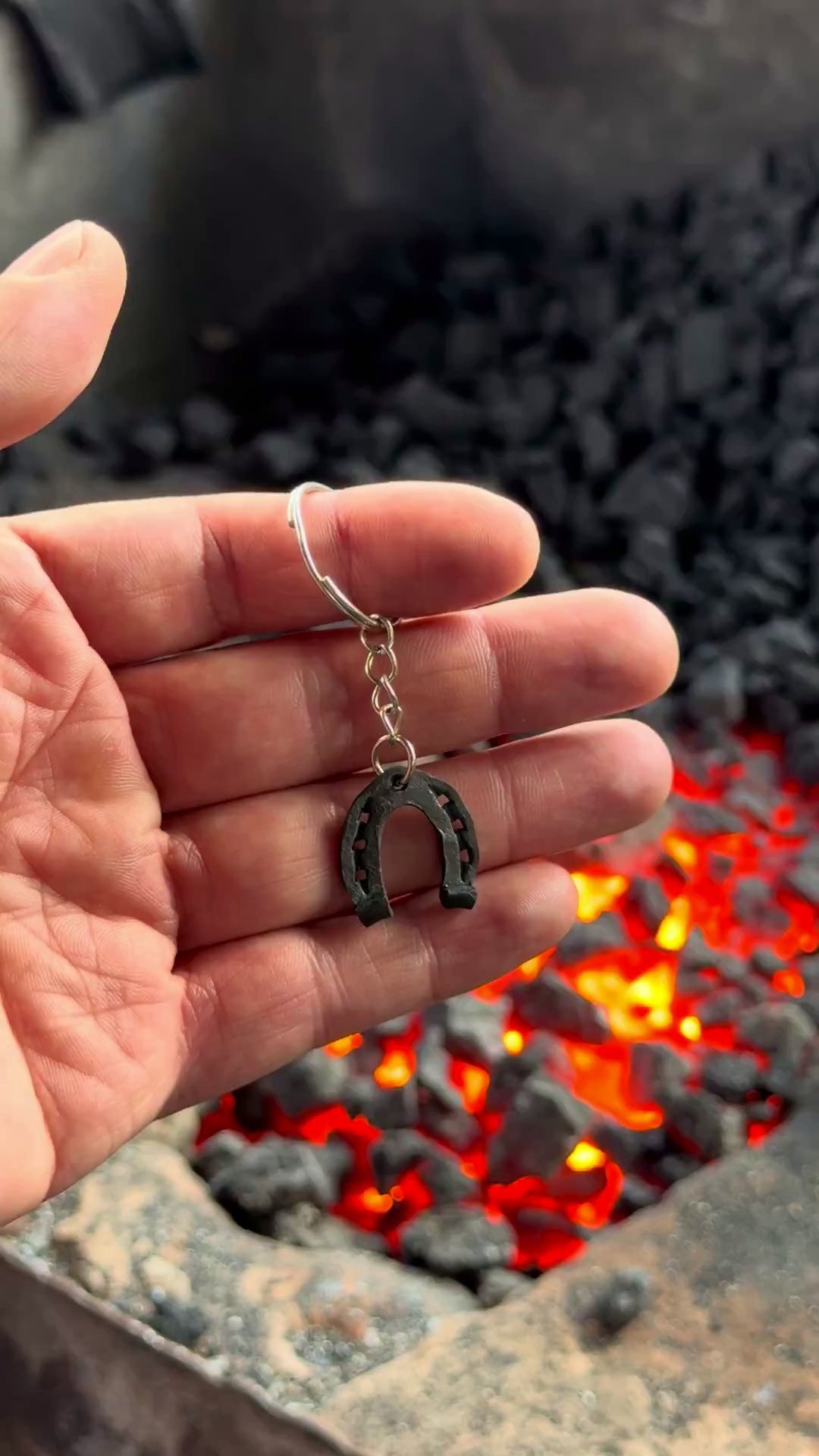
In Sonsón, the sound of the hammer on the anvil is part of the soundscape, like the church bells or the rain. This is the land of blacksmiths.
A craft born with the trails
The blacksmith heats iron until it glows red and shapes it with blows. That work produced horseshoes, nails, farm tools, window grilles and parts for houses. While Sonsón was a crossroads of muleteer trails, the forge was essential: without horseshoes there were no mule trains, and without mule trains there was no trade.
That knowledge passed from parents to children. Today the municipality keeps a strong metalworking tradition, with work in iron, steel and stainless steel.
Living heritage
A study by the Universidad de Antioquia looked at the blacksmith's craft as part of Sonsón's heritage. It gathered blacksmiths' accounts of what they learned, what they have lived and what their work means to the town. Its conclusion is that the forge is not just a workshop: it is identity.
Where there is fire, an anvil and someone who teaches, the craft does not die.
Visiting a forge
Some forges welcome visitors. One of them forges the world's smallest horseshoe. If you're interested, ask us at Amarilla and we'll tell you how to get there, with respect for the masters' work.
Sources
- Universidad de Antioquia (2022): El oficio de la fragua como representación social en el patrimonio de Sonsón, Antioquia.
- Wikipedia: Sonsón (metalworking tradition).